
Retail Basics
Food-and-Beverage-Led Retail: Why F&B Anchors Make High Streets Work
Walk any busy retail street and you will notice cafes and restaurants keep it alive well after shopping hours. That is the idea behind F&B-led retail.
Repeat visits
People shop occasionally but eat often. Food outlets bring customers back more frequently, which benefits neighbouring shops too.
Longer dwell time
A meal or coffee keeps visitors on site longer, raising the chance of browsing nearby stores.
Swarnim Central's approach
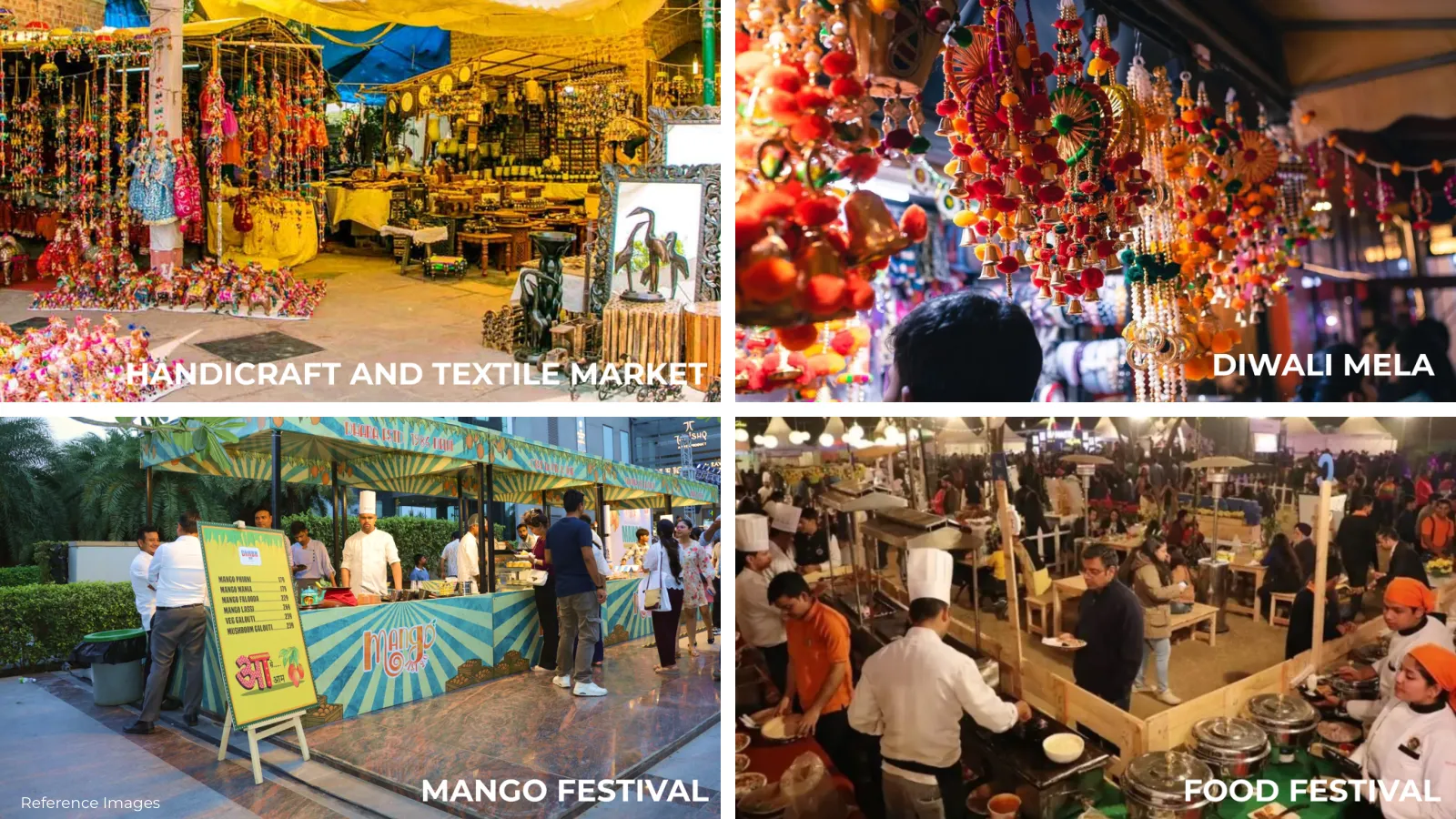
The project is positioned as an integrated food, retail, lifestyle and entertainment destination, and highlights high F&B-driven rental potential as a customer benefit. Event ideas in the brochure include food festivals and mela-style markets.
What owners should consider
Food tenants may need ducting, ventilation and specific approvals. Check what each unit permits before planning a restaurant.
Frequently asked questions
Can I open a restaurant in a 296 sq ft shop?
A small unit suits takeaways, cafes and quick-service formats; confirm permitted use and approvals for your unit.
Do F&B tenants pay more rent?
Not necessarily; it depends on location and demand. Verify with comparable local rentals.
Related guides
Disclaimer: This article is for general information and is not financial, legal or tax advice. Prices and terms are subject to change without notice; verify details with the developer and official RERA records. Images are artistic impressions. Returns are not guaranteed. HRERA Reg. No. HRERA-PKL-RWR-747-2025.